

The Growing Challenge
Receivables represent one of the largest assets on corporate balance sheets, yet many companies lack structured governance over their receivable portfolios.
Weak receivables governance often leads to:
- Long collection cycles
- Disputes with customers
- Increased working capital borrowing
- Rising bad debt provisions
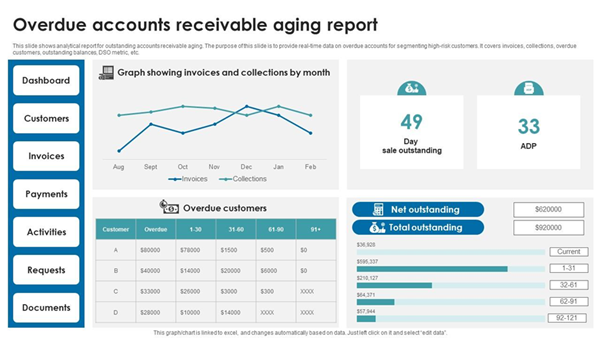
Elements of Effective Receivables Governance
A strong governance framework involves three critical pillars.
Policy Framework
Clearly defined credit terms, payment schedules, and escalation mechanisms.
Operational Monitoring
Regular tracking of aging reports, overdue invoices, and dispute management.
Accountability Mechanisms
Integration of collection performance into management review processes.
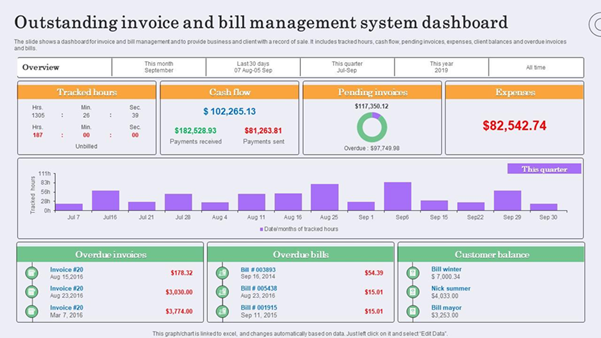
Technology and Analytics
Modern organizations increasingly rely on digital receivables dashboards, which provide:
- Real-time aging analysis
- Customer payment behaviour tracking
- Collection performance monitoring
Strategic Recommendation
Companies should treat receivables governance as a cross-functional responsibility involving finance, sales, and risk management teams.